A customer walks up to your register. You mention your loyalty program. They pull out their phone, open the App Store, wait for it to load, search for the app, hit download, wait again, create an account, enter their email, set a password, verify, and then — maybe — earn their first point.
Or they walk out and never think about it again.
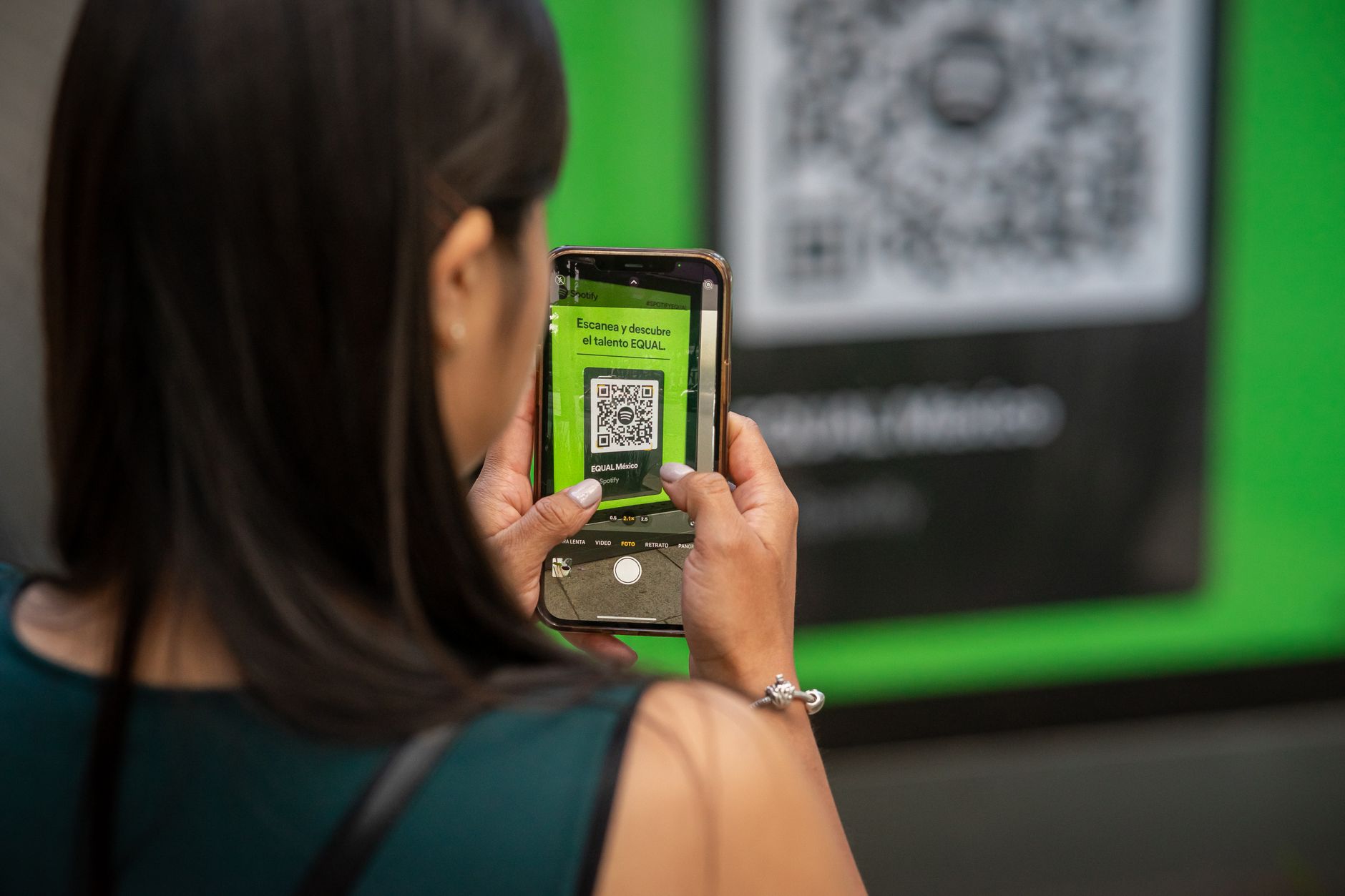
The best loyalty program without app download removes all of that. Your customer scans a QR code with their phone's camera. They're in. Points earned. No download, no account creation, no password they'll forget by tomorrow.
Royalty is built around exactly that: a code at your counter, a browser-based experience on the customer's side, and an AI running the program in the background. Setup takes about a minute, and the first 250 customers cost nothing.
Here's what the "no app download" constraint actually buys you, how the different categories of loyalty software handle it, and what to check before you commit to any of them.
Quick Answer: What to Look For
If you're scanning for the short version:
The check-in method is the whole decision. QR scan, phone number, linked payment card, or app login — that one choice determines what percentage of your customers ever participate. Everything else is secondary.
Automation matters more than tracking. A program that records points but never acts on them is a scoreboard, not a loyalty program.
Watch the cost curve, not the sticker price. Per-location monthly fees are the ones that get expensive as you grow.
The rest of this article breaks each of those down.
Why "No App Download" Is the Single Most Important Loyalty Feature
This sounds like a bold claim. It comes down to how many steps sit between a customer hearing about your program and being enrolled in it.
An app-based program has four:
- Discovery — the customer has to know the app exists
- Download — they have to be willing to spend phone storage on it
- Setup — email, password, verification
- Ongoing — they have to remember to open it every visit
Each step is a place to drop out, and they compound: a customer who clears the first three can still fail the fourth, quietly, forever. Loyalty apps are especially exposed here because they have no daily utility. Nobody opens a punch-card app the way they open a banking or messaging app. It earns a couple of points, then sits on page four of the home screen.
A QR code collapses all four steps into one motion the customer already knows: point the camera, tap the banner. No download. No account. No app icon competing for space next to Instagram.
That's not a convenience feature. It's the difference between a program most of your customers join and one most of them mean to join.
The Categories of No-App Loyalty Software, and Their Tradeoffs
Loyalty platforms fall into a few recognizable groups, and the group matters more than any individual brand — the tradeoffs are structural.
POS-bundled loyalty ties enrollment to your checkout system. Customers earn automatically when they pay with a linked card, which is genuinely the smoothest check-in there is when it works. Two catches: it only works inside that POS ecosystem, so switching processors means rebuilding your program, and it only tracks the customer when they pay with the same card. Pay with cash or a different card and the visit vanishes. That's friction disguised as convenience, and it's invisible — neither you nor the customer finds out until they ask why their points are wrong.
Digital punch-card apps are the closest replacement for a paper card: visit, stamp, reward. Simple and usually inexpensive. But most of them ask your customers to install something, which puts you right back at step two. If you're choosing a no-app program specifically, this category mostly disqualifies itself.
Phone-number check-in platforms avoid the download by having customers type their number at a tablet or keypad. It works, and it's a real option. It's also slower than a scan, it's error-prone (one transposed digit and the visit lands on someone else's account, or nowhere), and it asks a customer to hand over a phone number at the counter, in front of a queue, before they've decided they care about your program.
Enterprise loyalty platforms bring real depth — segmentation, custom integrations, reporting across dozens of sites. What you pay for that isn't only money. It's a procurement process: demos, onboarding sessions, an implementation timeline measured in weeks. Sensible if you're running thirty locations. Considerable overkill if you're running one.
Self-serve AI platforms are the newest group, and the pitch is that you never configure anything — you describe the business and the software works out the rest. Royalty is one of these. Your customers scan a code and participate in whatever browser they already have open; there's no app and no POS dependency on either side. It's free up to 250 customers, then $19.99 a month once you outgrow that.
The honest tradeoff: Royalty has a shorter track record than the established names, and it sits alongside your till rather than inside it. That means it knows a customer came in; it doesn't know what they spent. If your reward structure depends on basket size, that's a real gap, not a quibble.
If you're weighing these categories against your current setup, switching from paper punch cards to digital loyalty walks through the migration itself — what to do with your existing regulars, and how to run both systems during the changeover.
What to Check Before You Commit to Any Platform
Whether you choose Royalty or not, this is the checklist that matters.
1. Check-in speed at the counter
Time it during your actual rush, not on a quiet afternoon. A check-in that's fine at 2pm can jam a queue at 8am, and staff quietly stop offering the program when it slows the line down. QR scan is the fastest of the options because the customer does it themselves, on their own phone, while you're handing over the order.
2. Automation, not just tracking
Points tracking alone isn't a loyalty program. The program needs to act — send win-back messages, trigger birthday rewards, nudge referrals. If you have to manually create every campaign, you won't. You're too busy. Royalty's automated campaigns run without you writing them; in autonomous mode it executes and reports back, and in review mode it proposes and waits for one click. If you want the longer version of how that works, how AI is changing loyalty programs covers it.
3. Setup time
If a platform needs two weeks and a sales call before it's live, that's two weeks of customers walking out un-enrolled. Weigh setup time against how long you'll realistically stay motivated — a configuration project you abandon half-finished is worse than a simpler tool you actually launch. Creating the program itself is a separate walkthrough if you want the detail.
4. Total cost of ownership
Monthly subscriptions add up, and per-location pricing adds up fastest. Work out what a platform costs you at the size you expect to be in two years, not the size you are now — and check what happens at the customer limit on your plan. Royalty's tiers step at 250 (free), 500, 2,000 and 10,000 customers.
5. Branding
Does the program look like your business, or does it plaster another company's logo across your customer experience? Royalty's white-label option removes "Powered by Royalty" from what customers see. It's on the Scale plan only.
6. Whether the honest limitations are published
Any platform that reads as though it has no tradeoffs is hiding them. Find the limits — customer caps, message allowances, what's excluded from your tier — before you migrate your regulars onto it, not after.
The Real Cost of Forcing an App Download
Here's the scenario that plays out every day:
You've got a loyalty program that requires an app. A customer walks in, orders, and you mention it. "Download our app and get points toward a free drink!"
The customer smiles, nods, and says "I'll do it later." They won't. You both know it.
The cost isn't the one customer. It's that this happens on every first visit, and it's silent — nobody tells you they didn't sign up. An app-based program with a low join rate looks identical from the owner's side to a program nobody was offered. You see the members you got; you never see the ones who nodded and left. That's why the check-in method deserves more of your attention than the reward structure everybody spends their time tuning.
Run your own numbers on it. Count first-time customers in a week, then count how many joined. If the gap is large, the friction is where you should be spending your effort.
Is Royalty the Right Fit?
A straight answer on both sides.
It fits if you run a business with repeat customers and no marketing team — coffee shops, restaurants, salons, barbershops, gyms, studios, boutiques — and you want a program that runs itself rather than one more thing to manage. It fits especially well if your customers are grab-and-go, because those are exactly the customers who will never download anything. And it fits if you want to start free and find out whether a loyalty program moves your numbers before paying for one.
It doesn't fit in four cases, and they're worth being honest about:
- You want loyalty tied to transaction amounts. Royalty counts visits, not spend. If you need points-per-dollar tied to the till, a POS-bundled tool integrates where Royalty doesn't.
- You need API access or custom integrations. Those are Enterprise-only, and Royalty's Enterprise tier is a conversation, not a signup. If you need a loyalty system wired into inventory or scheduling from day one, price out a platform built for that.
- SMS is your main channel and you send in volume. Every paid tier ships with working SMS, but it's metered: 100 messages a month on Starter, 300 on Growth, 750 on Scale. Multiply your list size by how often you text it. If that number lands above your tier's allowance, price the overage before you commit, not after.
- Your customers don't come back. Moving companies, wedding photographers, most one-off services. A loyalty program isn't the right tool at all; reviews and referrals are.
One more thing worth knowing rather than discovering later: the customer-facing app is English. The owner dashboard is translated, but what your customers see isn't, so if you serve a community that would expect their own language at the counter, weigh that.
How to Set Up Royalty in 60 Seconds (No, Really)
- Open the signup page — the free tier doesn't ask for a card
- Write one or two sentences about the business — "Italian restaurant in Brooklyn, 40 seats, mostly dinner service" or "neighborhood gym, 200 members, mostly early mornings" is enough to work from
- Let it generate the program — earn rates, tiers, a rewards list, your code, and a starting set of campaigns all come out of that description
- Put the code where people already stand — beside the till, on the menu, on the receipt. Same scan to join, same scan on every visit after
- Decide how much rope the AI gets — either it proposes and waits for your click, or it acts and tells you afterwards
That's it. No configuration wizard, no 30-page setup guide, no sales call.
Ready to Stop Losing Customers to Friction?
Every day with an app-based program is a day you're asking customers to jump through a hoop most of them won't jump through — and never telling you they didn't.
Royalty removes the hoop. QR check-in, AI automation, free to start.
Describe your business. Get your loyalty program. Start capturing the customers you've been losing.